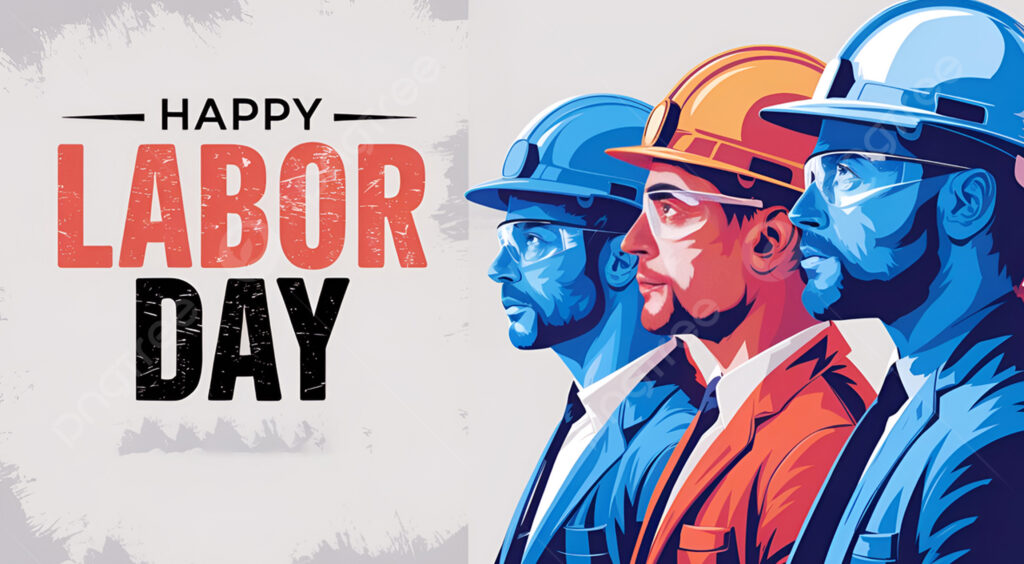
Every Labor Day, Americans get a chance to recognize something bigger than a three-day weekend. The holiday honors the people whose work built America.
From farms and factories to railroads and skyscrapers, generations of workers turned resources, ideas, and determination into a nation. Their labor created communities and opportunity.
Today, Labor Day still celebrates that effort. However, its history also reminds us that many workplace standards came through difficult struggles for safer and fairer conditions.
Labor Day grew from the American labor movement during the late nineteenth century. At that time, industrial growth changed how millions of Americans lived and worked.
Factories expanded, railroads connected distant regions, and cities grew quickly. Yet many workers faced long hours, dangerous conditions, and limited workplace protections.
Therefore, labor organizations began pushing more forcefully for shorter hours, better pay, safer workplaces, and greater recognition for working people. The 2026 HISTORY overview of Labor Day explores these early struggles and their role in the holiday’s development.
The first Labor Day celebration took place in New York City on September 5, 1882. The Central Labor Union organized a parade and public gathering.
Thousands of workers marched through Manhattan. Afterward, workers and their families gathered for speeches, food, music, and recreation.
The idea spread quickly. Oregon became the first state to recognize Labor Day legally in 1887, and other states soon followed.
Finally, Congress passed legislation in 1894 making the first Monday in September a federal legal holiday. President Grover Cleveland signed the measure on June 28. The U.S. Government Publishing Office’s 2025 Labor Day feature provides additional history.
Labor Day matters because American workers built more than businesses. They helped build the physical, economic, and social foundation of the United States.
Farmers fed growing communities. Miners supplied coal and minerals. Steelworkers produced materials that supported bridges, buildings, factories, railroads, and expanding cities.
Meanwhile, railroad workers connected coasts, markets, towns, and industries. Construction workers raised homes, schools, hospitals, highways, factories, and the skylines Americans recognize today.
Manufacturing workers produced tools, vehicles, appliances, machinery, and countless goods. Truck drivers, dockworkers, and warehouse teams kept those products moving across the country.
Likewise, teachers educated generations of Americans. Nurses, doctors, firefighters, police officers, tradespeople, technicians, and service workers strengthened communities every day.
A 2025 presidential Labor Day proclamation highlighted welders, nurses, truckers, farmers, and machinists while recognizing the enduring role of American labor.
That message reflects an important truth. America did not simply appear through laws, speeches, inventions, or investments. People had to perform the work.
Labor Day also recognizes workers who demanded improvements when working conditions failed to respect human dignity.
During the Industrial Revolution, labor groups organized strikes, rallies, and campaigns for shorter workdays, better wages, and safer workplaces.
Those movements often faced fierce opposition. Nevertheless, their efforts helped place workplace conditions at the center of national debate.
The holiday therefore represents both achievement and sacrifice. It honors people who worked difficult jobs and those who sought better conditions for future generations.
Moreover, Labor Day reminds employers and employees that productive workplaces depend on mutual respect. Strong businesses need skilled, committed, and fairly treated workers.
Today, Labor Day celebrations look different across the country. Many communities still hold parades, festivals, ceremonies, and public gatherings honoring workers.
For many families, however, the holiday also marks the unofficial end of summer. Cookouts, picnics, sporting events, travel, and backyard gatherings remain common traditions.
Retail sales and community events have also become part of the weekend. Meanwhile, many Americans use the extra day to rest before fall schedules accelerate.
In 2026, Labor Day falls on Monday, September 7. Therefore, the weekend gives many workers and families three days together.
Still, millions of Americans continue working on Labor Day. First responders, healthcare employees, hospitality teams, transportation workers, utility crews, and others keep communities operating.
Their presence makes the meaning of Labor Day especially visible.
Labor Day should never become only another shopping weekend or final summer cookout. It carries a deeper American story.
Generations of workers cleared land, raised crops, laid track, poured steel, built roads, staffed factories, taught children, treated patients, and created businesses.
Furthermore, today’s workers continue that story through technology, manufacturing, healthcare, logistics, skilled trades, agriculture, education, services, and entrepreneurship.
Ultimately, Labor Day honors the dignity of useful work. It recognizes the hands, minds, skills, and determination that turned American ambition into American achievement.
So, as families gather this Labor Day, we can enjoy the celebration while remembering its purpose. Work built America, and American workers still move it forward.